
Termite Removal Westlake Village
The most expensive damage you’ll never see… until it’s too late.
Termites don’t make noise. They don’t leave obvious signs. And they don’t stop on their own.They work quietly behind walls, under floors, and inside structural wood—causing thousands in damage before most homeowners even realize there’s a problem. If you’re seeing signs, it’s not the beginning of the issue… It’s the middle.
Termites Don’t Stop—They Expand
Termites aren’t seasonal pests—they’re constant.
Subterranean termites, the most common in Westlake Village, live underground and build mud tubes to reach wood structures. Once they find a food source, they don’t leave—they expand.
They move from one beam to another, one wall to the next, slowly working through the structure of your home.
Most infestations go unnoticed for months—or even years—because all the activity happens out of sight.
Where do termites come from?
Termites live in the soil and enter homes from below. They build hidden tunnels to reach wood without exposing themselves to air or light.
How do termites get into my home?
They enter through foundation cracks, plumbing penetrations, and direct wood-to-soil contact. Even small gaps are enough.
Bats have to be removed
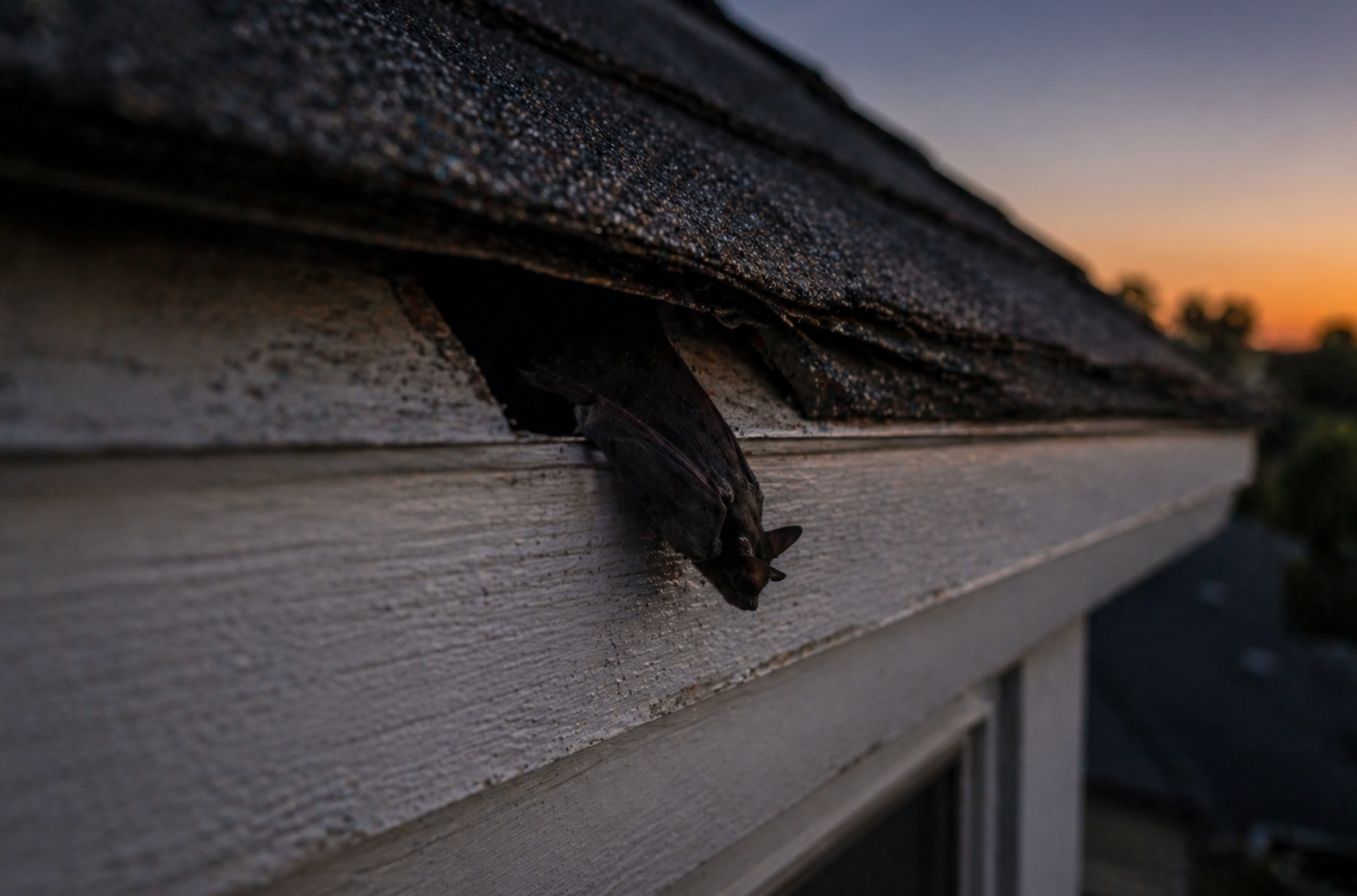
Bats aren’t passing through—they’re settling in.
Many species form colonies, especially during warmer months. Female bats even create nursery groups, meaning your attic can turn into a protected space for raising young.
That’s where things get tricky. Removing bats at the wrong time can trap babies inside—or push adults deeper into your home trying to get back in.
This isn’t about chasing bats out. It’s about removing them the right way, at the right time, without making the problem worse.
Are bats dangerous?
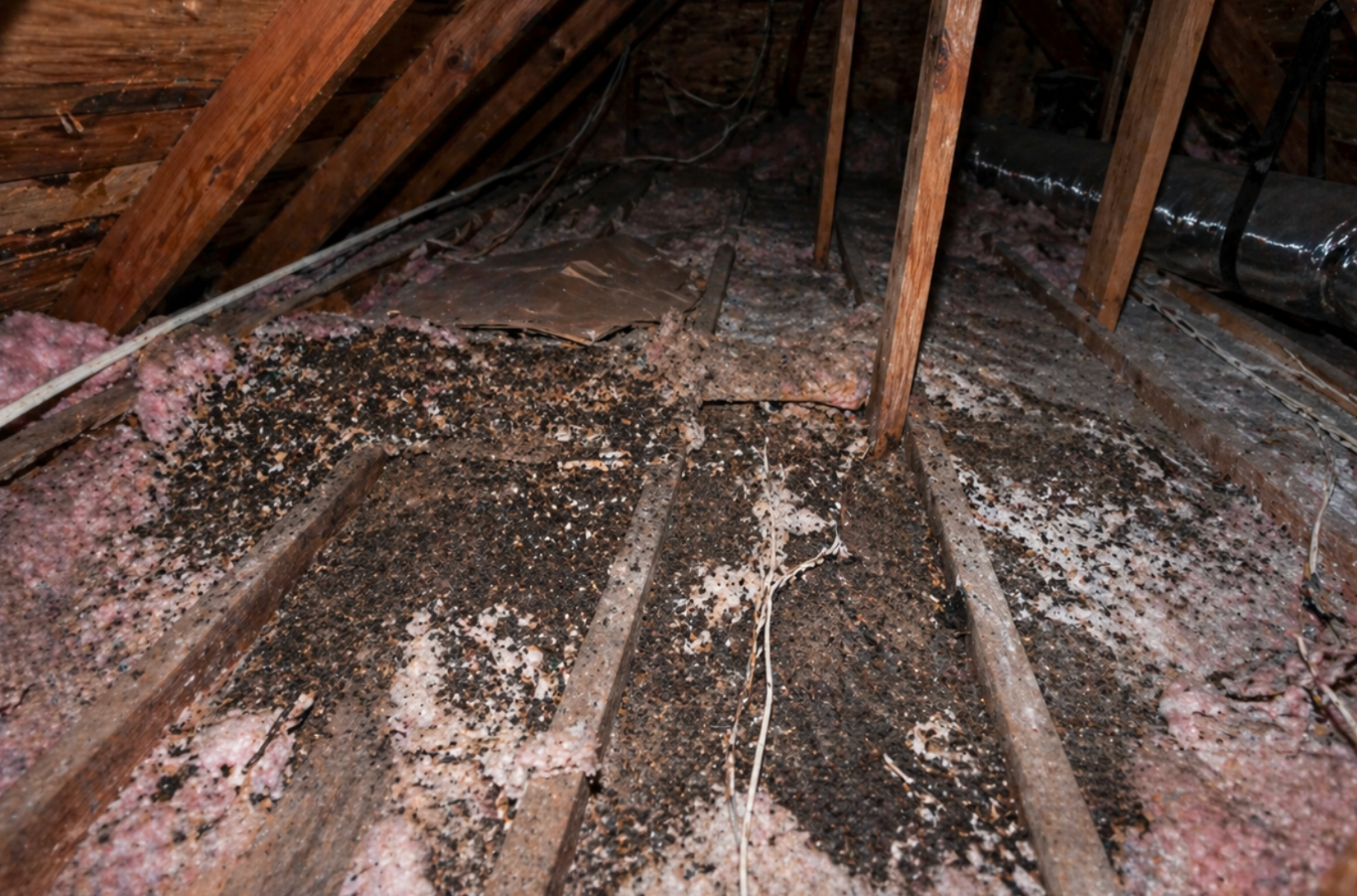
Bats usually avoid people, but they can carry diseases like rabies. The bigger concern is long-term exposure to droppings and contaminated air inside your attic.
What is bat "guano?"
Guano is bat droppings—and it builds up fast. Over time, it creates strong ammonia odors, damages insulation, and can lead to serious cleanup issues if ignored.
Not all Bats Behave the Same
Some bats prefer tight crevices. Others spread out across attic beams. Some form small groups. Others build large colonies fast.
In Westlake Village, bat activity often increases around homes with mature trees, hillside construction, and older rooflines. That combination creates easy access and ideal shelter.
Here’s the problem—if you treat all bats the same, you usually miss the real issue. And when that happens, they come right back.
Bat Removal Process
There's no spray, no Shortcut, no quick fix.
Bats don’t respond to traps or chemicals like other pests—and trying to block them in usually backfires. When bats get trapped, they panic, spread out, and start finding new ways deeper into your home.
At Leaf Pest Management, we use a proven humane exclusion process.
First, we identify every active entry point around your roofline, vents, and attic. Then we install one-way exit devices that allow bats to leave safely at night—but prevent them from getting back in. Once we confirm the colony is fully out, we seal and secure every access point to prevent future entry.
You may notice increased activity for a short period—that’s expected. It means the bats are exiting and the system is working.
Then just as quickly as it started… it stops. No noise. No odor. No bats.
1-time vs Recurring Bat Control
1-time Bat Removal Services.
Our one-time bat removal service is designed to fully solve the problem—not just reduce activity. We inspect your home, identify all entry points, install one-way exclusion devices, and ensure the entire colony exits safely. Once the bats are gone, we seal and secure the structure to prevent re-entry.
This is the right solution when bats have already moved in, and you need them out—quickly, safely, and permanently.
Recurring Bat Removal
While bat removal is typically a one-time process, prevention is where long-term value lies. Homes in Westlake Village with tile roofs, attic gaps, mature trees, or past wildlife activity are more likely to experience repeat intrusion attempts.
Ongoing inspections and minor sealing work help identify vulnerabilities early and prevent bats from returning. For properties with recurring wildlife pressure, this proactive approach is the smarter, lower-cost option over time.
Get started